COIL CLEANING: THE IMPORTANCE OF MAINTENNANCE
- Jul 14
- 4 min read
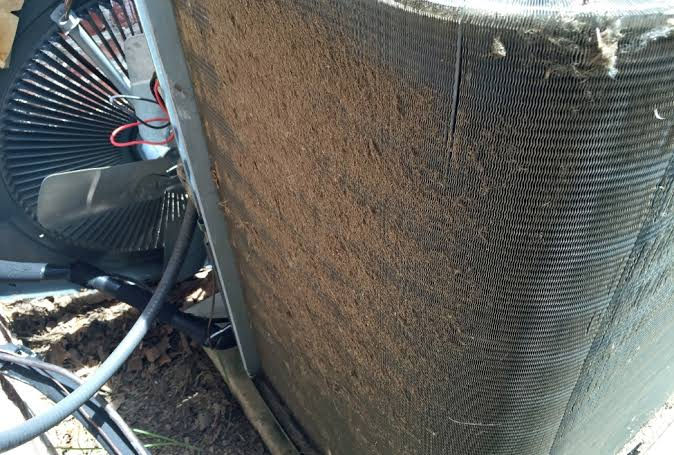
Coil cleaning allow air to circulate freely and cool more efficiently, reducing power consumption. Dirty coils also reduce equipment lifespan and increase maintenance costs.
HVAC professionals recommend routine coil cleaning as a preventative maintenance task to ensure proper function and longevity. Learn the basics of coil cleaning so you can work safely and effectively.
Clean the Fins
Home air conditioners rely on the condenser coil to transfer heat out of the system, but dirt buildup can impede this process and make cooling inefficient. coil cleaning can help prevent this problem by allowing air to flow freely and reduce strain on other parts of the unit. This type of preventative maintenance is one of the most effective ways to save money on energy bills.
The first step in cleaning coils is to remove any loose debris. A soft brush or vacuum with a brush attachment should do the trick. It's important to do this before moving on to wet methods of coil cleaning, because dry dirt turns into sludge when it is wet.
A standard method that HVAC dealers use to clean outdoor coils is to blow compressed air through the fins, using a technique that sprays air straight through the fins, never at an angle, to avoid bending the delicate aluminum. This helps remove the dry surface dust that's commonly on evaporator and condenser coils.
Next, turn off and disconnect power to the air handler or locate the access panel to the outdoor unit. If a pressure washer is used, choose a low-pressure, high-flow unit to prevent damage to the fins and ensure that it doesn't overwhelm the drain pan. Finally, apply a noncaustic, nonfuming coil cleaner and let it sit for the recommended time to break down stubborn grime. Once the coils are clean, rinse and dry them thoroughly before reattaching the panels and restoring power.
Remove Debris
Before coil cleaning, make sure it is completely shut down. A professional may use a compressed air system to blow off loose dust or debris. If this is done, the technician should carefully direct the stream to avoid spreading dust or dirt onto other parts of the air handler. Alternatively, a soft bristle brush or a shop vac with a brush hose attachment can be used to gently remove the loose dust and debris. It is important that the person doing this does not touch any metal parts, especially the evaporator coil fins, as they are delicate and could bend if touched.
Using a screwdriver or nut driver, remove the screws holding the outer cover or grille of the unit. This should be easy enough for a non-professional to do. Next, remove the covers or grille to expose the coils for inspection. Check for visible dirt and debris and for any bent fins that need to be straightened. Observe any signs that the coils need to be cleaned, such as a rise in energy costs or poor performance.
If the coils are dirty, apply the cleaner according to its instructions. Foaming cleaners expand when applied, so they stay in contact with the coils for a longer period of time than non-foaming cleaners. They also provide better penetration to hard-to-reach areas, such as the space between each of the coils’ fins. They also rinse off easily without leaving residue, making them convenient for regular maintenance tasks.

Apply the Chemical
Coil cleaners are industrial chemicals that are designed for professional use. Misuse of these products can result in personal injury, equipment deterioration and environmental damage. Using the correct cleaning agent for each type of coil is crucial to maintaining the mechanical function of the system and avoiding costly repair and replacement.
Foaming cleaners expand upon application, allowing them to stay in contact with the coil surfaces longer. This allows them to dissolve and lift stubborn dirt, oil and grease accumulations from the coil fins. They also allow for better access to hard-to-reach areas of the coil. The foam provides a visual indication that the coils have been properly cleaned and helps reduce manual scrubbing.
Non-foaming cleaners can be difficult to control, especially in confined or sensitive areas. They do not have the extended dwell time of foaming cleaners and may require more frequent reapplication to achieve adequate coil cleaning. They also can leave behind a residue that requires more frequent rinsing or wiping to remove completely.
After applying the coil cleaner according to manufacturer instructions, rinse off the coils with a garden hose and spray nozzle. Be sure to follow the manufacturer’s directions for dilution, as a high concentration ratio may strip coil coating or damage wire insulation. In some cases, a special low-odor solvent, like Evap+ from Refrigeration Technologies, can be used undiluted to remove heavy deposits from air-cooled condensers without the need for rinsing.
Rinse
Many vaping guides and instruction booklets talk about the importance of cleaning a coil, but few actually go into detail about how it should be done. The key thing to remember is that residue builds up over time, from e-liquids which leave trace amounts of flavouring behind as they are vaporised. This build-up can lead to a burnt taste, poor performance and shortened coil lifespan.
There are several different ways to clean coils, including soaking it in rubbing alcohol. This is a popular option amongst vapers, although it's worth bearing in mind that you'll need to thoroughly rinse the coil once you're finished. Otherwise, any rubbing alcohol left on the coil could cause an unpleasant flavour in your next vape.
Another popular method is to use baking soda, which has been known to transform even the most stained coils into a almost-new state. Again, however, it's important to be careful about not overdoing this, as excessive baking soda can damage a coil and ruin your next vape.
For a truly thorough clean, it's also a good idea to wipe down the inside of the tank as well. Taking a cotton swab soaked in rubbing alcohol and wiping over the coil, as well as around the tank itself, can help to remove some of the accumulated gunk that builds up every day.
Comments